A factory cooling project can fail even when the equipment has enough nominal tonnage. You need to test the contractor’s design assumptions, process knowledge, scope, controls, commissioning plan, safety record and long-term service capacity before comparing prices. By the end, you will have a practical framework for selecting and comparing industrial HVAC contractors.
Key takeaways
- Request evidence from factories with matching process risks and operating constraints.
- Check the cooling-load report against heat sources, shifts and outdoor design conditions.
- Compare bids only after standardising capacity, controls, exclusions and commissioning scope.
- Confirm safety documentation, performance testing, training and maintenance support before handover.
Start with evidence of industrial project competence
A completed factory project with comparable process risk is stronger evidence than a portfolio of similar-sized offices. Shortlist HVAC contractors for industrial facilities that have cooled plants with matching operating hours, equipment scale, outdoor conditions and shutdown constraints.
Request evidence you can verify:
- Client contacts who can confirm startup, commissioning, safety performance and response times
- Signed commissioning records, functional test results and as-built drawings
- The proposed project manager, controls lead and commissioning personnel, identified by name
- Change-order logs showing the original scope, approved variations and causes
- Service coverage, stocked critical parts and guaranteed response arrangements
- Site photographs and method statements for lifting, isolation, refrigerant work and confined areas
Industrial HVAC contractors must show that they can convert production conditions into a design, not merely sell a stated tonnage. Ask for a design basis listing process heat release, operating hours, indoor and outdoor design conditions, ventilation, humidity limits, allowable temperature excursions, future production changes and the consequence of lost cooling.
Reject a comfort-cooling calculation that excludes machinery heat, process exhaust, infiltration or continuous shifts. A capable bidder will also provide equipment selections at your actual entering-air and entering-water conditions, with stated chilled-water temperatures, flows, condenser-water temperature, part-load performance and fouling allowance. For DX equipment, check ambient derating, operating limits, oil return and turndown.
Test the cooling-load report against your factory
A report that says “1,000 tons” proves little until its assumptions match your production floor. A comfort-cooling calculation can materially understate demand when furnaces, compressors, process lines, people, ventilation and infiltration release heat during long operating shifts.
Require the cooling-load report to show:
- Process heat from each machine, product line and heat-generating fluid
- Indoor design temperature and humidity limits, plus allowable temperature excursions
- Outdoor design dry-bulb and wet-bulb conditions for your site
- Ventilation and infiltration air quantities, including required exhaust replacement
- Operating hours, shift patterns, occupancy and lighting loads
- Planned production increases, new machinery and future expansion allowance
- Cooling demand by zone, peak hour, season and production mode
- The consequence of losing cooling, including areas requiring standby capacity
Check the equipment selection at the stated entering-air and entering-water conditions, not an undisclosed catalogue rating. For chilled water, compare leaving-water temperature, flow, entering condenser-water temperature, part-load performance and fouling allowance; for DX, check ambient derating, operating-temperature limits, oil return and compressor turndown.
Walk the proposed layout with the maintenance team. Coils, heat exchangers, filters, fans, valves and major components need cleaning, isolation, removal and replacement access without dismantling production equipment or creating an avoidable shutdown.
Good HVAC solutions for factories also identify single points of failure: a nominal N+1 arrangement does not protect you if one pump, header, control panel or electrical feeder serves every unit.
Choose the system around process risk, not equipment fashion
Compare each system against the consequence of losing temperature control, not against its marketing label. A batch-sensitive process needs redundancy, stable control and rapid recovery; a warehouse needs a different balance of capital cost, reach and maintenance access.
| Option | Main advantage | Use it when |
|---|---|---|
| Chiller with engineered distribution | Central control, redundancy and precise water temperatures | Production runs continuously, loads are large or different zones need separate control |
| Packaged or ductable units | Faster installation and simpler replacement | Areas are independent, access is straightforward and one unit failure will not stop production |
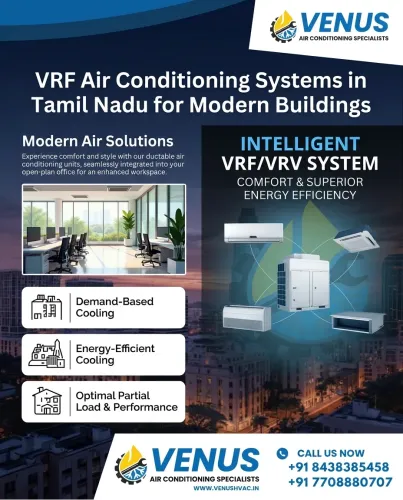
| VRF or VRV | Zoning and part-load efficiency | Offices, laboratories and light-process spaces need many setpoints; avoid it where refrigerant leakage threatens the process |
| Tower units | High heat-rejection capacity with efficient water-cooled operation | Water, treatment, blowdown and basin-cleaning responsibilities are funded and managed |
| Engineered distribution | Correct airflow, pressure, filtration and temperature at each process zone | Contamination control, humidity limits or long duct and pipe runs determine performance |
Price the whole operating consequence. Compare part-load efficiency, water and chemical use, refrigerant or glycol charge, maintenance labor, spare parts, controls integration, equipment life and downtime risk.
Require AHRI-rated equipment where the class applies, but ask separately for factory reports, field functional tests and acceptance criteria. The best HVAC contractors also show coil-cleaning access, isolation valves, lifting paths and component-replacement routes. For tower systems, specify cycles of concentration and a water-management plan aligned with ASHRAE Standard 188.
These details distinguish practical HVAC solutions for factories from fashionable equipment.
Make every bid comparable before you compare prices
A bid is comparable only when every bidder prices the same boundary of work. Require a line-by-line schedule that separates included work, exclusions, assumptions, quantities, unit rates and change-order rates; otherwise, a low total can simply transfer cost to you.
Ask professional HVAC contractors to state whether the price includes:
- Structural supports, roof repairs, craneage and access equipment
- Electrical feeders, isolators, panels, earthing and cabling
- Ductwork, refrigerant piping, chilled-water piping and insulation
- Flushing, water treatment, refrigerant or glycol charging and leak testing
- Permits, testing and balancing, commissioning, temporary cooling and operator training
- Spare parts, warranty labour, documentation and disposal of replaced equipment
The controls package deserves its own review. Before award, require a controls narrative and points list covering lead-lag rotation, equipment staging, chilled-water reset, condenser-water control, freeze protection, pump proof, low-ambient operation, alarm handling and automatic restart after power loss. Missing sequences create expensive field changes even when the equipment price looks attractive.
| Bid item | Require from every bidder | Cost or risk hidden by omission |
|---|---|---|
| Equipment performance | Model numbers, duty and part-load efficiency | Higher electricity use |
| Handover | Commissioning records, training and as-built drawings | Unreliable operation |
| Ownership cost | Water, chemicals, maintenance, spares, downtime and replacement assumptions | Cheap installation, expensive operation |
Industrial HVAC contractors should use identical assumptions for operating hours, utility rates and equipment life. Apply this schedule to any proposal, including one from VENUS Air Conditioning Specialist, before ranking the totals.
Related products
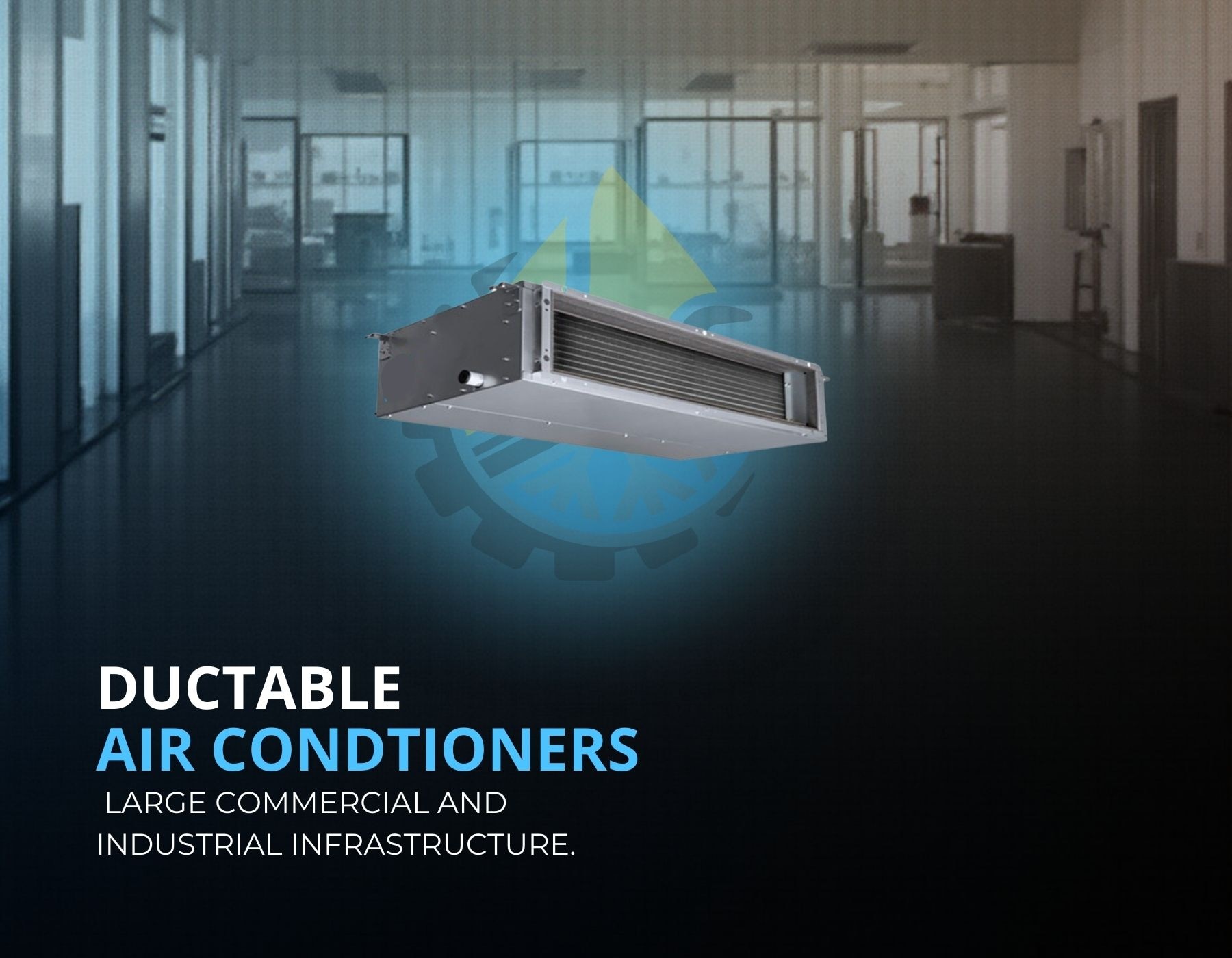 | Ductable/Centralised Air Conditioners Ductable/Centralised Air Conditioners Ductable and centralised air conditioning systems are high-capacity HVAC solutions designed to deliver uniform and consistent cooling across multiple... View product → |
 | HVAC solutions We provide a complete range of advanced HVAC products designed for residential, commercial and industrial requirements. View product → |
Verify safety, commissioning and support after handover
Before award, require a controls narrative and points list covering lead-lag rotation, staging, chilled-water reset, condenser-water control, freeze protection, pump proof, low-ambient operation, alarms and restart after power loss. Demand witnessed commissioning records for sensor calibration, flow proof, safeties, emergency stops, balancing, operator training and signed acceptance tests.
A contractor who leaves these sequences to guesswork creates unsafe operation after handover.
- Compare normalized exclusions: structural supports, electrical feeders and disconnects, controls integration, insulation, flushing, water treatment, refrigerant piping, permits, craneage, roof repairs, temporary cooling, commissioning, training, spare parts and warranty labour.
- Require a maintenance schedule separating preventive and condition-based tasks, inspection intervals, response times, remote monitoring, escalation, refrigerant-leak response, consumables, labour rates and critical-spares availability.
- Obtain a written failure-mode and redundancy plan naming common pumps, headers, controls, feeders and cooling towers that remain single points of failure; confirm maintenance can occur without stopping production.
- For cooling towers, specify cycles of concentration, makeup, blowdown, filtration, chemical treatment, drift control, basin cleaning and freeze protection, aligned with the site’s ASHRAE Standard 188 water-management programme.
- Inspect access for coil and heat-exchanger cleaning, filter changes, motor removal, refrigerant recovery, valve isolation, lifting and safe roof access.
Professional HVAC contractors make these obligations measurable in the contract. The best HVAC contractors also prove after-hours support, warranty labour and a clear escalation path before the first breakdown occurs.
Frequently asked questions
What evidence should you request from industrial HVAC contractors?
Ask for completed factory projects with comparable process risk, operating hours, equipment scale, outdoor conditions and shutdown constraints. Request references, scope details and proof of commissioning.
How do you test an industrial cooling-load report?
Compare its assumptions with your factory’s equipment heat, occupancy, production shifts, ventilation, envelope, outdoor design conditions and future capacity requirements. Challenge unexplained safety factors and missing heat sources.
How should you choose HVAC solutions for factories?
Start with process risk: required temperature and humidity limits, contamination control, redundancy, maintenance access, shutdown tolerance and consequences of cooling failure. Select equipment after defining those requirements.
How can you compare bids from professional HVAC contractors fairly?
Create one scope and require each bidder to state cooling capacity, equipment model, controls, electrical work, ductwork, insulation, exclusions, schedule, commissioning tests and warranty terms.
What must be verified before an industrial HVAC project is handed over?
Verify safety documents, pressure and electrical checks, airflow and temperature readings, controls sequences, alarm testing, balancing reports, operator training, as-built drawings and the maintenance plan.
Related products
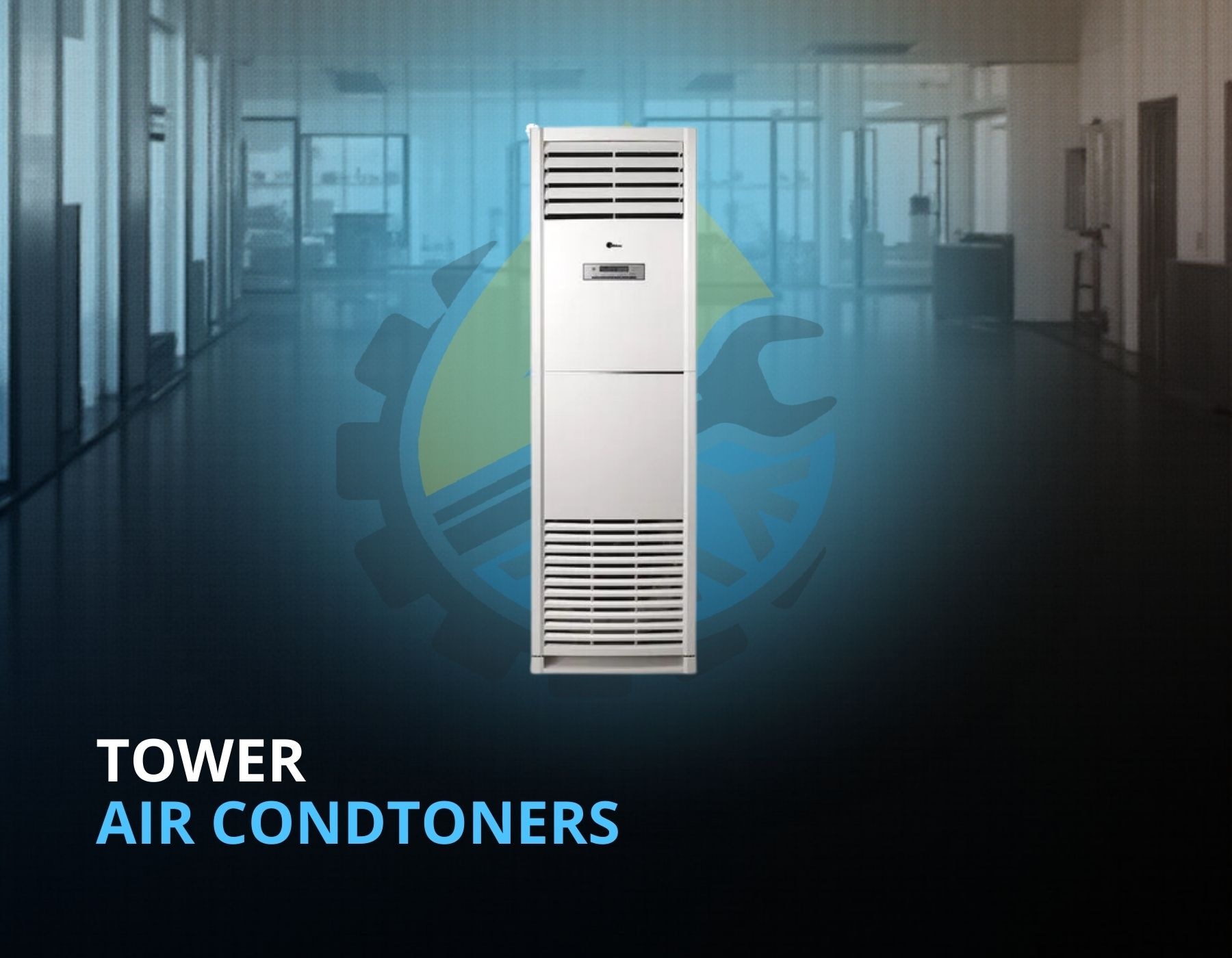 | Tower Air Conditioner Tower/Floor Standing Air Conditioner Floor Standing Tower Air Conditioner Description Floor Standing or Tower Air Conditioners are powerful, high-capacity cooling systems designed for... View product → |
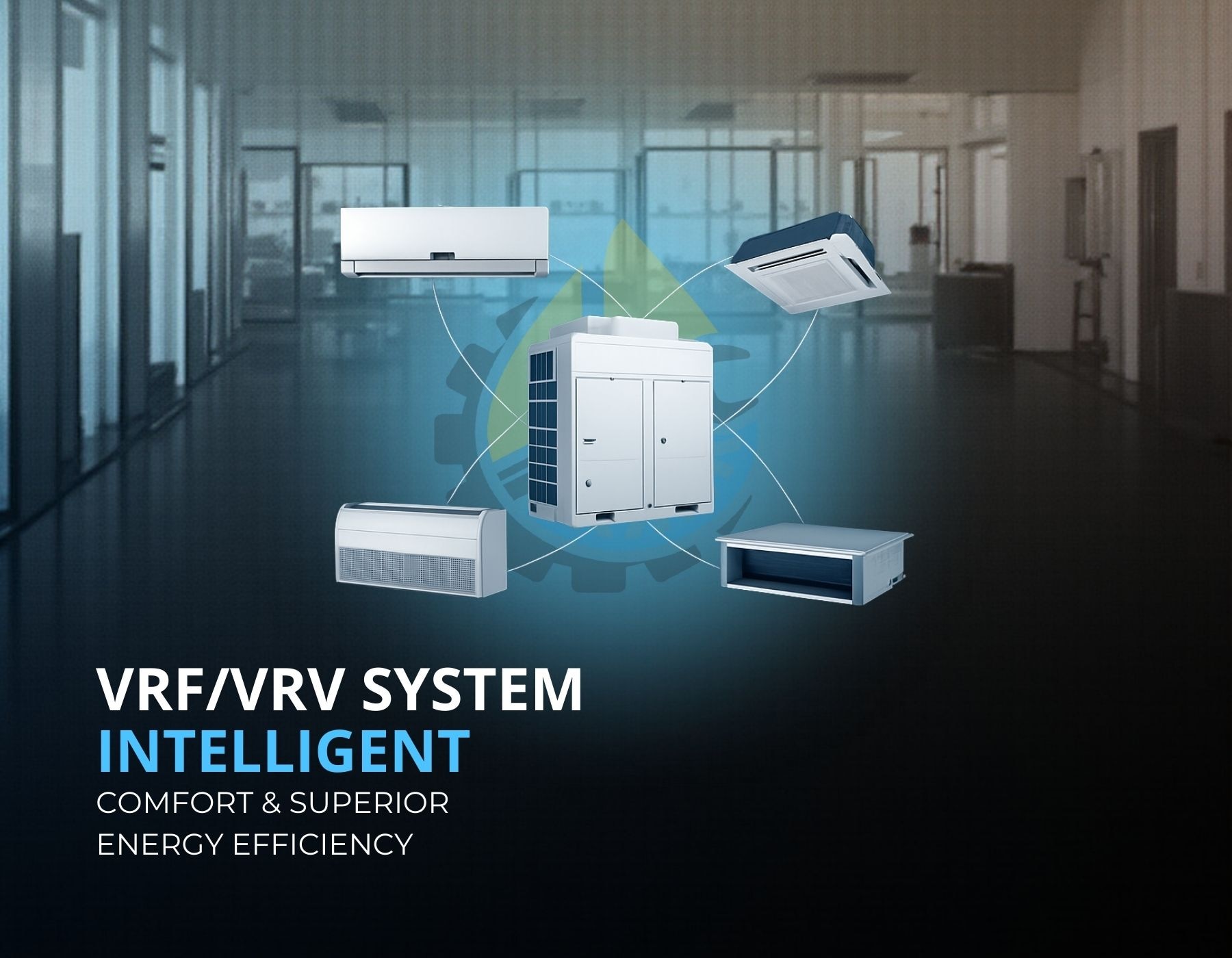 | VRF / VRV Air Conditioning Systems VRF / VRV Air Conditioning Systems VRF / VRV air conditioning is an advanced HVAC technology designed for multi-zone cooling with precise temperature control and high energy... View product → |
 | Air Conditioning Service Air Conditioning Service, Repair, Maintenance Professional AC Service for Residential, Commercial & Industrial Spaces We provide complete air conditioning services in Coimbatore for residential,... View product → |
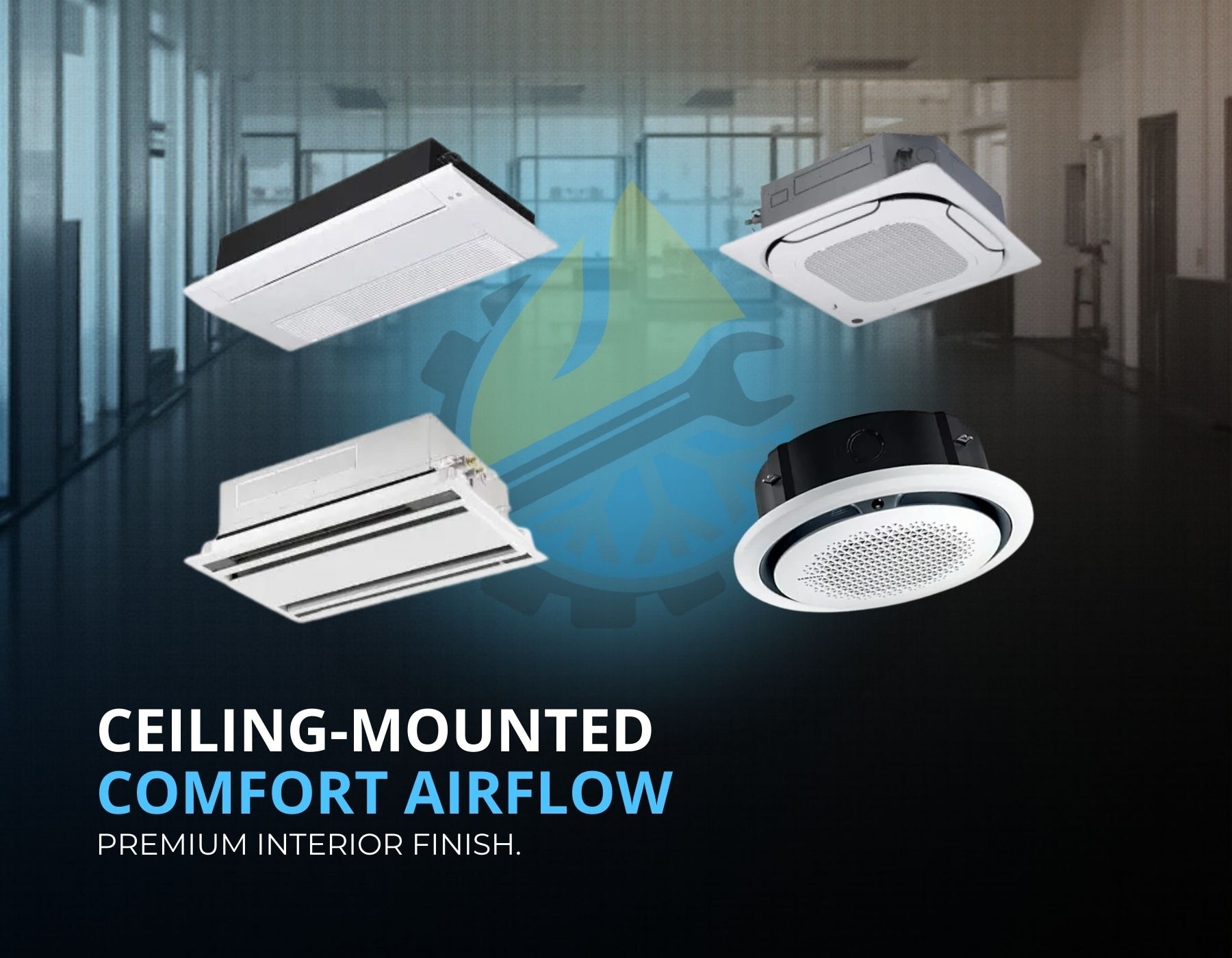 | Cassette air conditioners Cassette air conditioners are ceiling-mounted air conditioning systems designed to deliver uniform cooling with efficient air distribution while... View product → |
Keywords