



Showroom HVAC Design Checklist – Getting Cooling Right for Retail Spaces
Showrooms are among the most demanding commercial environments when it comes to air conditioning. High customer footfall, strong lighting loads, large glass façades, frequent door openings, and long operating hours place continuous stress on HVAC systems. Across Tamil Nadu, particularly in retail-driven cities such as Coimbatore, a poorly designed showroom HVAC system can quickly lead to discomfort, high electricity bills, and frequent breakdowns.
A structured HVAC design approach is essential to ensure uniform cooling, energy efficiency, and reliable operation. This checklist outlines the critical factors that must be considered while planning air conditioning for showrooms and large retail spaces.
1. Accurate Heat Load Calculation
The foundation of any effective showroom HVAC system is correct heat load calculation. Unlike residential spaces, showrooms generate heat from multiple sources:
- High-intensity display lighting
- Glass walls and solar heat gain
- Electronic displays and equipment
- High customer occupancy
Skipping or underestimating heat load results in undersized systems that struggle to cool, while oversizing leads to unnecessary power consumption and poor humidity control.
2. Choosing the Right HVAC System Type
Showroom layout plays a major role in system selection.
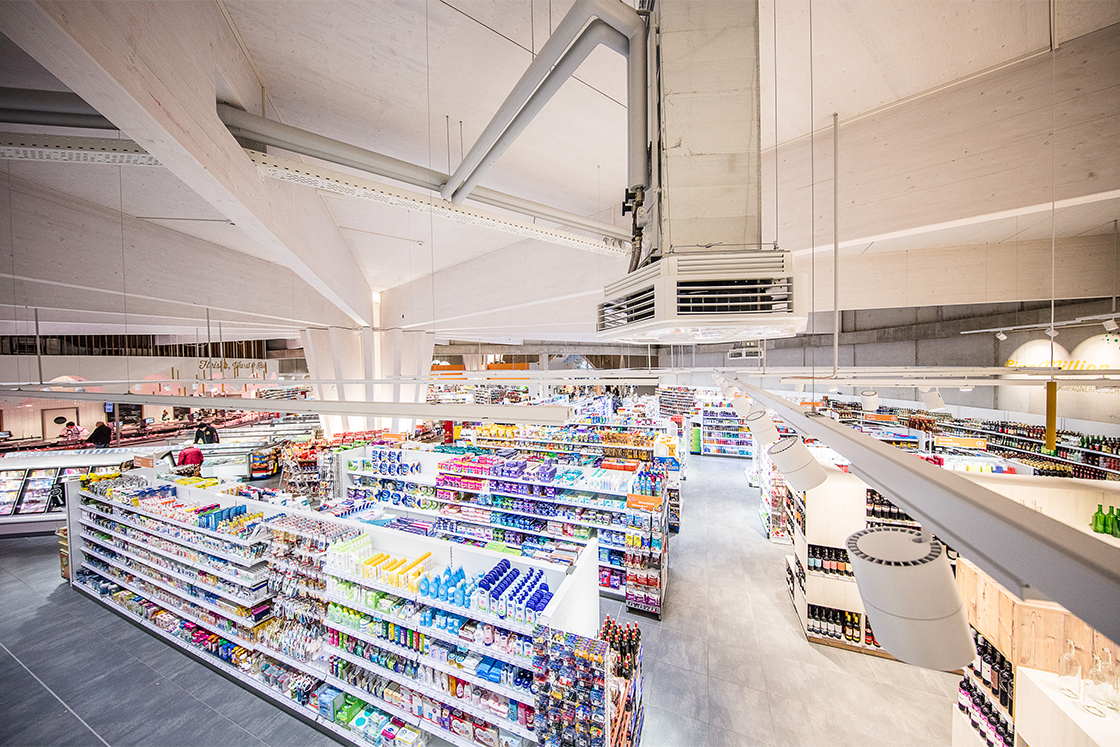
- Ducted air conditioning is suitable for large premium showrooms where uniform cooling and clean interiors are priorities.
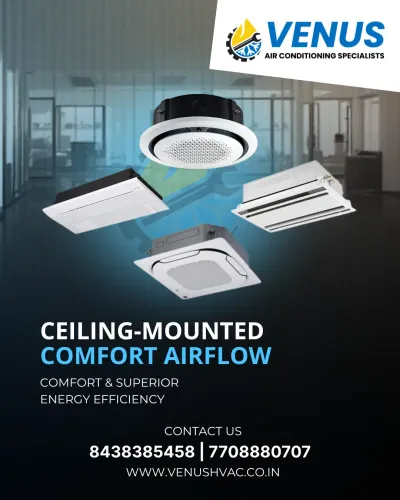
- Cassette air conditioners work well for medium-sized showrooms with open layouts and limited ducting requirements.
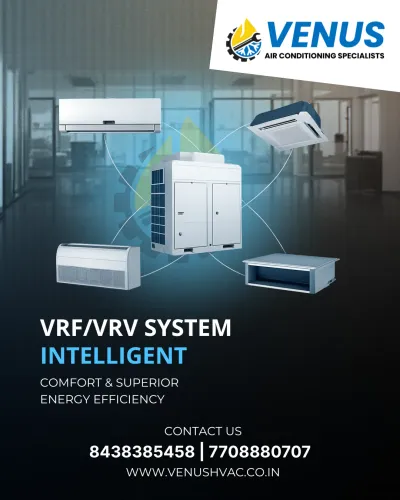
- VRF systems are ideal for large showrooms with offices, cabins, or multiple zones requiring independent control.
- Tower air conditioners may be used for temporary setups or areas needing strong air throw.
The right system is often a combination rather than a single solution.
3. Air Distribution and Diffuser Placement
Uniform air distribution is critical in retail environments. Poor diffuser placement can create hot spots near entrances, glass façades, or display zones.
Effective HVAC design ensures:
- Proper air throw covering the entire floor area
- Correct return air positioning
- Balanced airflow without drafts
Well-planned air distribution improves customer comfort and reduces system strain.
4. Managing Glass and Entrance Heat Gain
Most modern showrooms feature large glass fronts for visibility and branding. These surfaces significantly increase heat gain, especially during daytime.
Design strategies include:
- Increasing cooling capacity near glass zones
- Strategic diffuser placement at entrances
- Using air curtains where required
Ignoring entrance heat gain leads to uneven cooling and customer discomfort.
5. Noise Control for Customer Experience
Showrooms require quiet HVAC operation to maintain a premium shopping experience. Equipment selection and installation must consider:
- Low-noise indoor units
- Proper vibration isolation
- Correct duct design to reduce airflow noise
Noise issues often arise from poor installation rather than equipment limitations.
6. Energy Efficiency and Operating Cost Control
Showrooms typically operate air conditioning systems for long hours. Energy efficiency directly impacts operating costs.
Efficient showroom HVAC design includes:
- Inverter-based systems
- Proper zoning to avoid overcooling
- Smart temperature control strategies
- Correct system sizing
Energy-efficient design reduces monthly electricity expenses without compromising comfort.
7. Provision for Maintenance Access
HVAC systems require regular servicing. Design must ensure easy access to:
- Filters and indoor units
- Duct inspection points
- Electrical panels and drain lines
Poor access increases maintenance time, cost, and system downtime.
8. Ventilation and Indoor Air Quality
Fresh air integration is essential in showrooms with high occupancy. Proper ventilation improves indoor air quality and customer comfort.
HVAC design should account for:
- Fresh air intake
- Exhaust air management
- Filtration where required
Good indoor air quality enhances customer dwell time and staff comfort.
9. Future Expansion and Flexibility
Retail spaces often change layouts, displays, or floor usage. HVAC systems should be designed with future flexibility in mind.
VRF and modular ducted systems allow easier expansion compared to rigid layouts.
10. Importance of Professional HVAC Execution
Even the best design fails without proper execution. Professional installation, testing, balancing, and commissioning ensure the system performs as designed.
Working with an experienced HVAC contractor such as Venus Air Conditioning Specialist ensures reliable performance, energy efficiency, and long-term durability for showroom HVAC systems.
Conclusion
A well-designed showroom HVAC system directly influences customer comfort, brand perception, and operating costs. By following a structured HVAC design checklist—covering load calculation, system selection, airflow planning, and maintenance access—retail businesses can achieve consistent cooling and long-term efficiency.
For showroom projects across Tamil Nadu, investing in professional HVAC design and execution ensures a comfortable shopping environment and dependable system performance throughout the year.