

Split Air Conditioners – Modular Cooling for Independent Zone Control
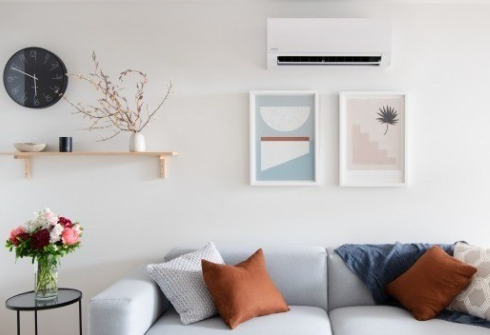
Split air conditioners are among the most widely deployed cooling systems for residential and light commercial applications due to their modular design, flexible installation, and independent zone control capability. A typical split system consists of an indoor unit responsible for air distribution and an outdoor unit that manages heat rejection, connected through insulated refrigerant piping.
The primary advantage of split air conditioners lies in zoning flexibility. Each indoor unit operates independently, allowing different rooms or areas to maintain specific temperature settings based on occupancy and usage. This is particularly beneficial in environments where cooling demand varies across spaces, such as homes, offices, consultation rooms, and meeting areas.
Modern split systems incorporate enhanced heat exchanger designs, optimized airflow geometry, and refined fan profiles to deliver stable cooling with reduced noise levels. Improved refrigerant management and electronic controls contribute to consistent temperature regulation and smoother operation.
Capacity selection is a critical design factor. Oversized units tend to short-cycle, reducing efficiency and increasing wear, while undersized units struggle to maintain comfort under peak load. Accurate heat load assessment ensures that split air conditioners operate within their optimal performance envelope.
Another key benefit of split systems is scalability. Additional units can be installed as requirements evolve without modifying existing installations. This phased deployment approach supports controlled capital planning and future expansion.
When applied correctly, split air conditioners provide reliable, efficient cooling with minimal structural impact, making them a preferred solution for flexible interior layouts.
System variants and capacity options can be reviewed under split air conditioners within the complete listings at
https://www.venushvac.co.in/all-products/1